Ensuring Even Wear Across All Four Corners
Tire Rotation & Tire Maintenance in Las Vegas for prolonging tread life and maintaining traction balance
Specialized Auto Maintenance provides tire rotation and tire maintenance for drivers in Las Vegas whose tires show uneven wear patterns or whose mileage indicates scheduled rotation intervals have arrived. Tires wear at different rates depending on their position on the vehicle, with front tires on front-wheel-drive cars wearing faster on the outer shoulders from turning forces and rear tires developing center wear if overinflated. Rotating tires from front to rear and side to side according to the correct pattern for your vehicle redistributes wear and extends the usable life of all four tires before replacement becomes necessary.
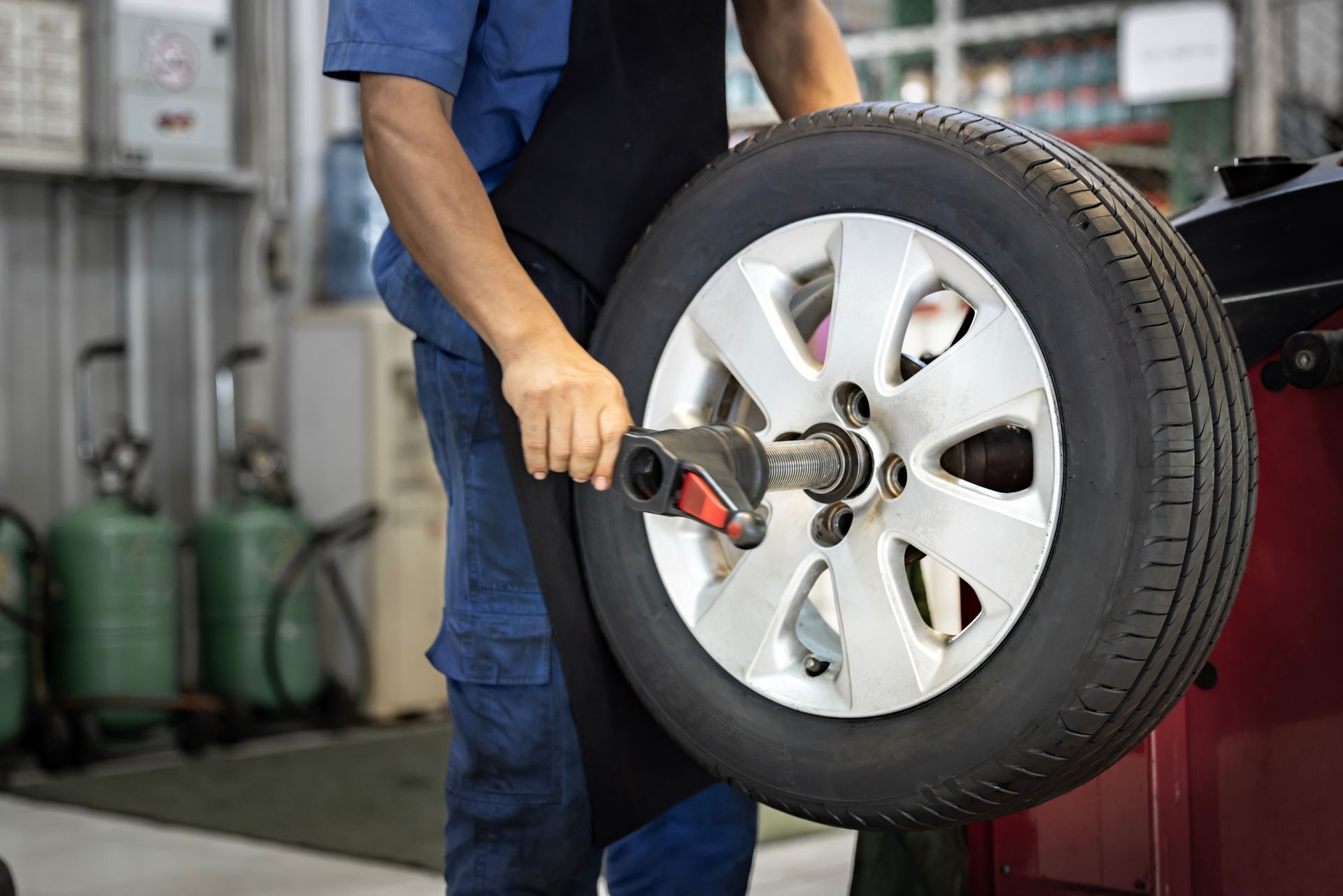
Most manufacturers recommend tire rotation every five thousand to seven thousand miles, though aggressive cornering, underinflation, or misalignment accelerates wear and may warrant more frequent service. During rotation, each tire is removed, inspected for cuts or embedded debris, and reinstalled in its new position using a torque wrench to achieve proper lug nut tightness. Tire pressure is adjusted to the specifications listed on the door placard, and tread depth is measured across multiple points to identify any irregular wear that suggests alignment or suspension issues.
Schedule tire rotation during your next oil change or maintenance visit to keep all four tires wearing evenly and preserve balanced handling as tread depth decreases.
Why Balanced Wear Matters for Stability
When tires wear evenly across all four positions, your vehicle maintains predictable handling, consistent braking distances, and uniform traction in wet conditions. Uneven wear creates differences in rolling diameter that can confuse traction control systems, increase road noise, and reduce fuel efficiency as the engine works harder to overcome rolling resistance. Proper rotation ensures that tires reach the legal tread depth limit at approximately the same time, allowing you to replace all four as a matched set rather than mixing new and worn tires that handle differently.
After rotation, you will notice quieter operation if any tires had developed cupping or feathered edges from being in one position too long. Specialized Auto Maintenance marks the tires to track their position history and documents the mileage at which rotation occurred, making it easier to anticipate when the next service interval arrives. Tire pressure is verified with a calibrated gauge rather than relying on dashboard monitoring systems that may not detect slow leaks or minor deviations from the recommended pressure.
Balancing corrects weight distribution around the wheel assembly and is recommended whenever tires are remounted or if you notice vibration at highway speeds, though it is not always included in basic rotation service. Alignment is a separate service that adjusts suspension angles when tires show edge wear or the vehicle pulls to one side. Regular rotation does not fix alignment issues but does reveal their presence through tread wear patterns before handling becomes noticeably affected.
What Drivers Need to Know About Tire Care
Tire maintenance extends beyond rotation to include pressure monitoring, visual inspection, and understanding when tread depth no longer provides adequate traction.
How do I know when tires need rotation?
Most vehicles benefit from rotation every five thousand to seven thousand miles, though you should check the owner's manual for the manufacturer's specific recommendation based on drivetrain layout.
What rotation pattern is correct for my vehicle?
Front-wheel-drive vehicles typically use a forward cross pattern, rear-wheel-drive uses a rearward cross, and all-wheel-drive often requires side-to-side swaps depending on whether tires are directional or asymmetric.
Why does tire pressure drop in Las Vegas winters?
Temperature fluctuations cause air inside tires to contract, and a twenty-degree drop in ambient temperature can reduce pressure by one to two pounds per square inch, requiring adjustment to maintain proper inflation.
What tread depth is considered unsafe?
Tires with less than three thirty-seconds of an inch of remaining tread lose significant wet traction, and most states consider tires unsafe below two thirty-seconds, though replacement is advisable before reaching legal minimums.
Can I rotate tires myself?
You can rotate tires at home if you have a jack, jack stands, and a torque wrench, but professional service includes tread depth measurement and inspection for damage that may not be visible without removing the tire from the vehicle.
Bring your vehicle to Specialized Auto Maintenance for tire rotation, and a technician will inspect all four tires for signs of damage, irregular wear, or low tread depth and recommend alignment or balancing if the wear pattern indicates suspension or wheel issues affecting tire life.