Car Cooling System & Radiator Repair in Las Vegas
Cooling System & Radiator Repair in Las Vegas for vehicles showing temperature gauge spikes or coolant leaks
Specialized Auto Maintenance performs cooling system diagnostics and radiator repair for drivers in Las Vegas whose temperature gauges climb above normal operating range or who discover coolant puddles beneath the vehicle. The cooling system circulates antifreeze through the engine block, cylinder head, and radiator to absorb combustion heat and dissipate it through airflow, preventing metal components from warping or seizing. When the radiator develops a leak, the thermostat fails to open, or the water pump impeller corrodes, coolant flow is disrupted and the engine temperature rises rapidly, producing steam from under the hood or triggering dashboard warning lights.
Common symptoms include the temperature gauge needle moving into the red zone during idle or slow traffic, visible coolant dripping from the radiator or hoses, a sweet odor from vaporizing antifreeze, and heater output that blows cold air instead of warming the cabin. Prolonged overheating warps the cylinder head, compromises head gasket sealing, and can crack the engine block, creating repair costs far exceeding the price of cooling system maintenance. The intense summer heat in Las Vegas places additional stress on radiators and hoses, accelerating deterioration of rubber components and increasing the likelihood of sudden coolant loss.
If your temperature gauge rises above the midpoint or you see coolant on the ground, turn off the engine immediately and arrange for service to avoid permanent engine damage from overheating.
How Component Testing Identifies Failures Early
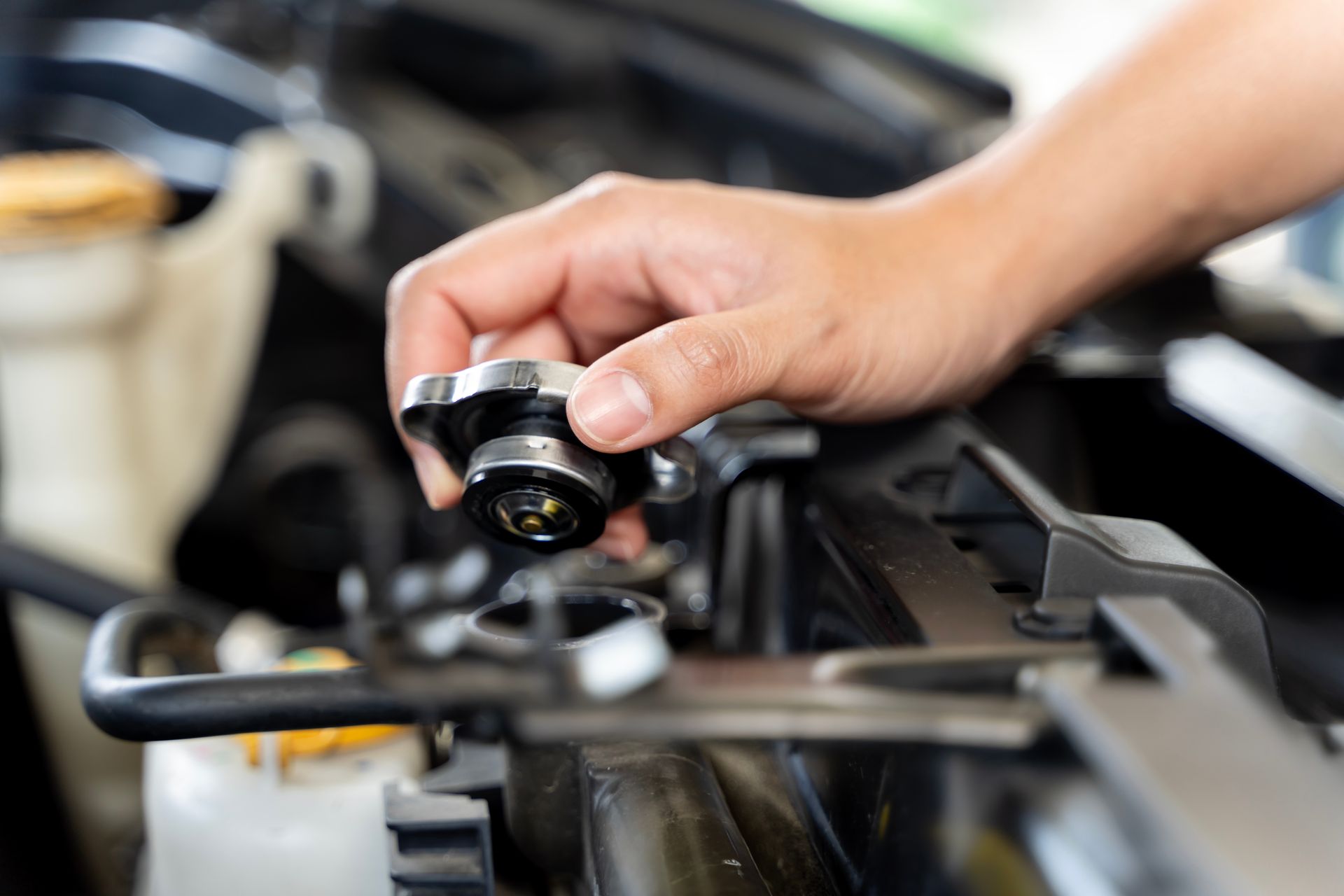
When your vehicle arrives for cooling system service, the technician pressure-tests the entire system to locate leaks in the radiator, hoses, heater core, or water pump seal. The radiator cap is tested separately to verify it maintains the correct pressure, and the thermostat is checked by monitoring coolant temperature as the engine warms to confirm it opens at the specified temperature. Coolant condition is assessed for contamination, acidity, and the presence of oil or combustion gases that indicate head gasket failure.
After repairs, your temperature gauge will remain steady in the normal range during all driving conditions, the heater will produce consistent warmth, and you will no longer see coolant puddles or smell antifreeze when the engine is running. Specialized Auto Maintenance replaces deteriorated hoses, leaking radiator cores, or failed thermostats and water pumps using original equipment or equivalent parts that meet manufacturer specifications for pressure and heat tolerance.
Coolant flush service removes old antifreeze and replaces it with fresh mixture at the correct concentration, restoring corrosion protection and freeze point stability. The service does not repair internal engine damage such as warped heads or blown gaskets that result from severe overheating, and those conditions require disassembly and machining beyond cooling system work. Routine coolant replacement every thirty thousand miles or three years prevents acid buildup that corrodes aluminum components from the inside and extends the life of the water pump and radiator.
Understanding Overheating Causes and Prevention
Recognizing early warning signs and understanding how cooling components fail helps you respond appropriately before minor issues escalate into major repairs.
What causes a radiator to leak?
Radiators develop leaks when internal corrosion eats through thin aluminum tubes or when road debris punctures the core, and age-related deterioration weakens seams between the plastic end tanks and aluminum core.
How do I know if the thermostat is stuck closed?
A stuck thermostat prevents coolant from reaching the radiator, causing the engine to overheat quickly while the radiator and upper hose remain cold to the touch even as the temperature gauge rises.
Why does my vehicle overheat only in traffic?
Low-speed overheating suggests the electric cooling fan is not operating, leaving the radiator without airflow when the vehicle is not moving, while highway driving provides enough natural airflow to keep temperatures normal.
Can I add water instead of coolant in an emergency in Las Vegas?
You can add water temporarily to prevent immediate overheating, but plain water lacks corrosion inhibitors and will lower the boiling point of the remaining coolant, so the system should be drained and refilled with proper antifreeze as soon as possible.
What happens if the water pump fails?
A failed water pump stops circulating coolant through the engine, causing rapid overheating and often producing a grinding noise or coolant leak from the pump's weep hole as the internal seal or bearings fail.
Contact Specialized Auto Maintenance if you notice your temperature gauge climbing, see steam from the hood, or find coolant beneath the vehicle, and the technician will perform pressure testing to pinpoint the failure and provide a written estimate for the necessary repairs before any work begins.